Garden design and build in Archway
If you are looking for garden design and build in Archway, you probably want more than planting advice or a quick tidy-up. You want a space that works properly for everyday life: somewhere to relax after work, entertain friends, keep children busy, grow greenery that suits the local conditions, and make the most of every square metre. In Archway, that often means creating thoughtful outdoor spaces for terraced homes, split-level gardens, compact courtyards, shared access plots, and small commercial settings where practical use matters just as much as appearance.
A well-planned garden can completely change how a property feels. It can bring more light into a shaded corner, improve privacy from neighbouring buildings, create safer circulation on sloped ground, and make a difficult space far easier to enjoy. Our approach to garden design and build focuses on balancing style, usability, maintenance, and long-term value. Whether you want a full transformation or a carefully phased upgrade, the process should feel clear, manageable, and tailored to your property.
Local knowledge matters in Archway because gardens here often face specific challenges: tight access, limited parking, older brick boundary walls, overlooked rear gardens, uneven levels, and a mix of sun and shade depending on the street layout. A local team understands how to design around those realities rather than ignoring them. From the first idea through to the final planting, every decision should be practical, attractive, and suited to how you actually live.
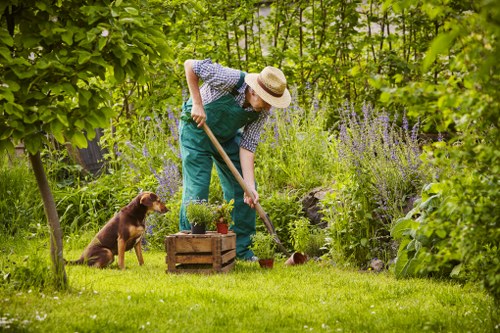
Why Archway gardens benefit from a tailored design and build approach
Archway has a distinctive mix of housing styles and outdoor spaces. Some homes have long narrow gardens behind Victorian terraces; others have compact patios, side returns, or shared communal areas. There are also commercial premises, cafés, offices, and hospitality spaces that need outdoor areas to look welcoming while staying easy to maintain. Because no two spaces are the same, garden design and build in Archway is rarely a one-size-fits-all job.
A tailored service starts with the property itself. A shaded garden near tall surrounding buildings may need planting choices that tolerate lower light. A rear garden with limited access may benefit from modular construction methods and carefully planned material deliveries. A family garden may need durable surfacing, safer boundaries, and room for storage or play. Meanwhile, a professional frontage for a business may need clean lines, seasonal interest, and a layout that looks good with minimal upkeep.
Good design is not just about looks. It is about solving problems and making spaces easier to use. That can mean improving drainage in wet areas, building raised beds where soil quality is poor, introducing better lighting for evening use, or creating stepped levels that feel natural on a sloping site. The best results happen when design and build are handled together so that the final garden feels coherent from the ground up.
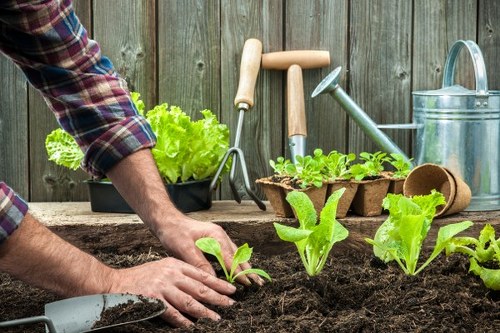
What our garden design and build service can include
Every project is different, but a full-service approach often combines planning, construction, hard landscaping, planting, and finishing details. This means you do not need to coordinate separate trades for every stage. Instead, the garden is developed as one joined-up project, with design decisions supporting the construction work and vice versa.
Typical elements may include patios, paths, decking, turfing, planting schemes, fencing, retaining structures, pergolas, raised beds, edging, and garden lighting. For some properties, the work may also involve access improvements, storage solutions, steps, drainage adjustments, or making a garden more suitable for all-year-round use. For others, the priority may be a low-maintenance planting plan that still feels attractive and seasonal.
Our goal is to help you create a garden that looks good now and still works well over time. That means choosing materials that suit the property, making sure surfaces are safe and practical, and selecting planting that matches the amount of sun, shade, shelter, and maintenance you want to commit to. Every detail should have a purpose, whether it is visual, structural, or functional.

Understanding the needs of local homes and businesses
Residential customers in Archway often want outdoor areas that feel like a natural extension of the home. A small city garden can become a dining space, a quiet reading corner, a play area, a productive planting zone, or a mix of all four. The challenge is usually making the most of restricted dimensions without making the space feel crowded.
Commercial clients have different priorities. A restaurant may want an attractive outdoor seating area that can stand up to regular use. A housing association or landlord may need a robust, easy-to-manage layout that reduces long-term maintenance demands. A business frontage may need planting and surfacing that looks professional, stays tidy, and supports a strong first impression. In each case, the design must balance appearance, durability, and day-to-day practicality.
Archway also includes streets and neighbourhoods with busy traffic, narrow frontages, and complicated access routes. This affects how materials are brought in, where equipment can be stored, and how work is sequenced to minimise disruption. A local team that has worked on similar properties nearby is better placed to plan the project smoothly from the outset.
Our process: from first ideas to a finished garden
People often come to us with a clear wish list: somewhere for outdoor dining, better planting, more privacy, a safer surface, or a complete redesign of a tired-looking garden. Others know something is not working but are not yet sure how to fix it. Either way, the process should feel straightforward and transparent.
We usually begin by discussing how you use the space now and how you want to use it in future. That can include children, pets, entertaining, work-from-home breaks, growing areas, storage, or accessibility needs. A good design brief is not about making the garden look impressive on paper; it is about making the space fit your life and your property.
Once the priorities are clear, the next stage is shaping the design. This may involve deciding on layout, materials, levels, drainage, planting themes, and any structural features needed to support the space. From there, the build can be planned in a way that reduces wasted time and avoids unnecessary changes during construction. Well-managed design and build projects save hassle because the ideas and the practical work are aligned from the start.
What happens during the design stage
The design stage is where the vision becomes realistic. It typically considers the size and orientation of the garden, how private or open it should feel, where people enter and move through the space, and which areas should be the visual focus. If your garden is overlooked, screening and layered planting may be important. If it is dark or enclosed, reflective surfaces, lighter materials, and more open planting can help make it feel brighter.
Design also considers what is already there. Some existing trees, walls, or mature shrubs are worth keeping if they add character or structure. In other cases, older features may be difficult to maintain or may be getting in the way of a better layout. A strong design respects the site but is not afraid to improve it.
What happens during the build stage
During the build, care and sequencing matter. Groundworks, foundations, drainage, paving, timber work, fencing, and planting should all be completed in the right order. Good construction reduces future problems and makes the garden feel solid and well finished. It also makes sure the final result matches the design intention rather than becoming a compromise halfway through.
On many Archway properties, access can be a real factor. Materials may need to be carried through narrow side passages or brought in carefully to avoid damage to adjoining areas. A local team used to working in built-up residential streets will plan around these limitations and keep disruption under control where possible.
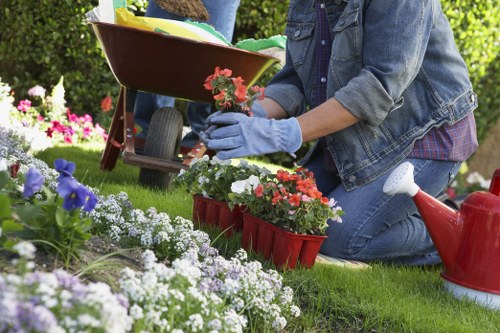
Practical benefits of choosing a local Archway team
There is real value in hiring a team that regularly works in and around Archway. Local familiarity helps with planning, access, and material selection. It also means the team is more likely to understand the realities of local gardens, from shaded back plots to exposed roof terraces and compact front spaces. That understanding helps avoid designs that look good in theory but do not suit the property in practice.
Another benefit is flexibility. Local projects often need a team that can adapt to changes in access, delivery timing, weather, or hidden site conditions. Older gardens may reveal uneven ground, concealed drainage issues, or old boundary structures that need attention before the visible work can begin. A local company that regularly handles these situations can respond without turning them into major setbacks.
You also gain a more personal service. Rather than treating the garden as a generic plot, the work can be tailored to your home, your business, and the way you want the outdoor space to feel. That local, hands-on approach is often the difference between a functional result and a truly satisfying one.
Local property types we often work with
- Terraced homes with long, narrow rear gardens
- Victorian and Edwardian properties with side returns
- Flats and maisonettes with compact outdoor areas
- Townhouses with stepped or split-level gardens
- Commercial courtyards, entrances, and seating areas
- Shared gardens and managed outdoor spaces
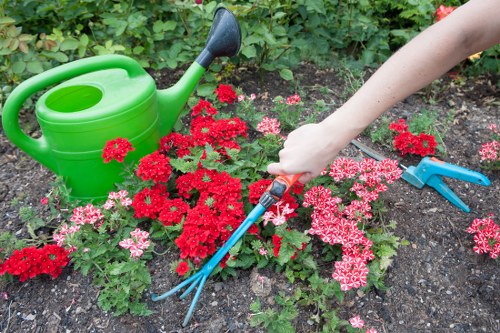
Design ideas that work well in Archway
Because outdoor space can be limited, many Archway gardens benefit from smart layout decisions. The best ideas are often the ones that make the garden feel larger, brighter, and easier to use without adding unnecessary complexity. For example, a well-positioned patio can create an outdoor room near the house, while planting layers around the edges can soften boundaries and improve privacy.
Raised beds are a popular option where soil quality is poor or where a clear division between hard landscaping and planting is needed. They can add structure, create better growing conditions, and make maintenance easier. Similarly, built-in seating can help small gardens feel more purposeful, especially where separate furniture would take up too much space.
Materials should be chosen with care. In a busy urban setting, it often makes sense to select surfaces and finishes that are durable, easy to clean, and visually sympathetic to the surrounding architecture. Warm-toned paving, natural timber accents, metal detailing, and planting with year-round texture can all help create a garden that feels settled and well considered.
Popular features for local gardens
- Porcelain or stone patios for neat, low-maintenance seating areas
- Timber or composite decking where a raised surface is useful
- Fencing and screening for privacy in overlooked gardens
- Garden lighting to extend evening use and improve ambience
- Raised planters for structure and accessible planting
- Lawns or artificial turf where a practical green area is desired
- Stepping stones and paths to connect different parts of the space
- Climbing plants and trellis to use vertical space efficiently
These features can be combined in different ways depending on whether the garden is for entertaining, relaxing, growing, or simply looking neat throughout the year. A good design usually contains a mix of functions rather than trying to force everything into one feature.
What is included in a typical project
When customers enquire about garden design and build in Archway, they often want to know what the service actually covers. A well-organised project can include everything from early planning to the final tidy-up, depending on your requirements. The exact scope varies, but many clients appreciate having one team manage the core stages rather than trying to piece the project together themselves.
Common inclusions may involve site assessment, design development, material advice, hard landscaping, planting, boundary work, final detailing, and handover. Some projects may also include advice on ongoing care so the garden settles in well after completion. Where helpful, the work can be phased so that the most important improvements happen first and additional features are added later.
Important practical work is often the hidden foundation of a successful garden. That can include levelling, ground preparation, drainage correction, foundation work for structures, and careful setting out of paths and patios. These elements may not be the most visible part of the finished space, but they have a big influence on how long the garden stays attractive and usable.
What you can expect from a good project plan
- A clear discussion of your goals, lifestyle, and budget range
- A site review that takes access and existing conditions into account
- Practical recommendations for layout, materials, and planting
- A build sequence that reduces disruption and avoids unnecessary delays
- Regular communication about progress and any site discoveries
- A tidy finish that leaves the garden ready to use
Pricing factors to consider
It is natural to want a clear idea of cost before committing to a project. While exact pricing depends on the details of your garden, several key factors usually shape the overall budget. Understanding these will help you compare options sensibly and decide what matters most for your property.
The size of the garden is one obvious factor, but it is not the only one. Access can make a big difference, especially in Archway where some properties are difficult to reach with machinery or material deliveries. Ground conditions matter too. If the site needs substantial preparation, levelling, or drainage work, the project may require more time and resources before the visible features can be installed.
Material choices also affect the budget. Natural stone, porcelain, timber, composite boards, specialist planting, and custom-built features all come with different practical and cost implications. The key is to choose materials that suit the intended use of the garden rather than selecting items that are impressive but impractical. Thoughtful choices usually give better long-term value than chasing short-term appearance alone.
Main pricing factors
- Garden size and layout complexity
- Access constraints and delivery logistics
- Amount of groundworks required
- Materials selected for hard landscaping and planting
- Structural features such as retaining walls or raised beds
- Drainage, lighting, or utility-related work
- Project phasing and any special timing requirements
If you are requesting a quote, it helps to share photos, approximate dimensions, and a short description of how you want to use the space. The more clearly the brief is understood, the easier it is to propose a realistic plan that matches your priorities.
How to prepare for your garden project
Preparing well can make the process smoother and reduce avoidable delays. You do not need to do everything yourself, but a little planning at the start helps the project begin in a more organised way. If you already know what you want, gather reference images or notes about the style, materials, and features that appeal to you. If you are unsure, that is fine too; a discussion of how you use the space is often enough to start shaping the design.
It is also helpful to think about practical matters such as access through the property, the location of outdoor taps or electrics, and whether any existing furniture, pots, sheds, or play equipment need to be moved. In a busy street or terrace setting, parking and delivery arrangements may need to be planned in advance, so letting the team know about any site-specific restrictions is useful.
Where there are pets, children, neighbours, or shared boundaries, it is worth considering how the work will be phased and what temporary disruption may occur. A good local service will always aim to keep the site as orderly as possible, but clear preparation helps everyone understand what to expect.
Preparation checklist
- Share photos of the garden from different angles
- Note any drainage issues, awkward access, or steep levels
- Decide what must stay and what can be removed
- Think about how much maintenance you want to do
- List any priorities for privacy, seating, planting, or storage
- Check whether neighbours may be affected by access or boundary work
- Ask about the likely sequence of works and material delivery needs
If you are ready to improve your outdoor space, contact us today to discuss your ideas and request a free quote.
Why design and build together works so well
Some people first consider a design-only service and then look for a separate contractor later. That can work in some cases, but many customers prefer a joined-up approach because it keeps the whole project consistent. When the same team is thinking about the design and the build, the plans are more likely to reflect real site conditions and practical construction needs.
This matters especially in Archway, where older properties and compact outdoor spaces often present hidden challenges. A feature that looks great on paper may need adapting once levels, access, or drainage are properly assessed. A combined design and build service allows those adjustments to happen smoothly, without losing the original vision.
It also means the finished garden is more coherent. Paths, planting, structures, lighting, and surfacing all work together rather than feeling like separate pieces added at different times. The result is a garden that feels balanced, easy to live with, and more satisfying to use every day.
Questions to ask before you begin
- How will the garden be used day to day?
- Which areas need to be low maintenance?
- Are there any access or delivery limits at the property?
- Do you want a full transformation or a phased approach?
- What level of planting care are you comfortable with?
- Will the garden need to work for children, pets, or customers?
Areas covered around Archway
We work with customers in Archway and nearby parts of north London where properties often have similar access and space considerations. That may include surrounding residential streets, nearby neighbourhoods, and local mixed-use areas with homes, shops, and business premises. The practical needs of each site still vary, but the familiarity with local property types helps keep projects efficient and realistic.
If you are based near Archway and wondering whether your outdoor space is suitable for improvement, the answer is often yes. Even a small or awkward garden can be transformed with the right layout, materials, and planting plan. Some of the most rewarding projects are the ones that began with an apparently difficult space and ended with something calm, functional, and attractive.
Whether you need a complete redesign, a new patio, better planting, improved privacy, or a full garden makeover, a local team can help you turn the space into something more usable and inviting.
Frequently asked questions
Can you work on small gardens in Archway?
Yes. Small gardens often benefit most from careful design because every part of the space needs to earn its place. With good planning, a compact garden can still feel open, private, and practical. Layout, vertical planting, built-in features, and smart material choices all help make a small garden work harder.
Do I need a full redesign, or can you improve part of my garden?
You do not always need a complete overhaul. Many customers choose to improve one section first, such as a patio, boundary, planting scheme, or access route. A phased approach can be a sensible way to spread the work while still making noticeable progress.
How do you handle access on tight Archway streets?
Access is considered from the beginning of the project. That includes delivery planning, movement of materials, and how equipment will be brought into the garden. If a property has narrow side access, steps, or parking restrictions, these factors are built into the project plan so the work can run as smoothly as possible.
Can you make a garden more private?
Yes. Privacy solutions can include fencing, screening, trellis, layered planting, trees, or a combination of features. The right option depends on how much privacy is needed, how much light you want to keep, and what suits the style of the property.
Do you work on commercial outdoor areas too?
Yes. Commercial customers often need outdoor areas that are durable, tidy, and easy to maintain while still looking attractive for visitors, staff, or customers. A well-designed commercial garden or courtyard can support the image of the property without creating unnecessary maintenance demands.
How long does a project take?
Timescales vary depending on the scope of work, site access, weather, and the materials involved. A simple improvement may be completed relatively quickly, while a full redesign with structural elements will take longer. During the planning stage, you should expect a realistic discussion of scheduling rather than vague promises.
Book a garden design and build consultation
If your garden in Archway is not giving you the space, comfort, or look you want, now is a good time to explore what is possible. A well-planned outdoor area can make everyday life more enjoyable and add lasting value in practical terms, whether the property is a home, a rental, or a commercial premises.
From compact urban gardens to more ambitious transformations, the right team can help you shape a space that feels considered, durable, and genuinely useful. Contact us today to discuss your ideas, ask questions, and request a free quote. If you are ready to move forward, book your service now and take the first step toward a garden that works better for your Archway property.